
sleep disorder treatment Tucson

Expert Sleep Disorder Treatment in Tucson
Struggling to get a good night’s sleep? At Restored Wellness Clinic, we offer comprehensive sleep disorder treatment in Tucson designed to help you overcome insomnia and improve your overall well-being. Our expert team combines sleep medicine, sleep therapy, and natural sleep remedies to create personalized plans that support restorative, healthy sleep.

Sleep Disorder Treatment in Tucson
Struggling to get a full night’s rest can affect your health, mood, and daily performance. At Restored Wellness Clinic, we specialize in sleep disorder treatment in Tucson, providing personalized care that addresses the root causes of insomnia and other sleep disturbances. Our team combines medical expertise with convenient online and in-person services to help you achieve restorative sleep.
Comprehensive Evaluation and Care
At our sleep clinic in Tucson, we start with a detailed assessment of your sleep patterns and medical history. Our clinicians may recommend sleep medicine in Tucson tailored to your needs or sleep supplements in Tucson to support natural sleep. For many patients, a combination of therapy and medication delivers the best results.
Personalized Treatment Options
Our treatments include prescription sleep aid in Tucson for medically appropriate cases and non-prescription sleep aid in Tucson for those preferring over-the-counter solutions. We also offer natural sleep remedies in Tucson, providing safe and effective alternatives. In some cases, hypnotic medication in Tucson or sedative sleep medication in Tucson may be recommended under professional supervision to ensure safe, restful sleep.
Behavioral and Therapeutic Approaches
Medication is only part of the solution. Our sleep therapy in Tucson programs, including cognitive behavioral therapy for insomnia (CBT-I), help address lifestyle and behavioral factors that interfere with sleep. For those seeking guidance, our insomnia help in Tucson services focus on long-term strategies to improve sleep patterns and overall wellness.
Sleep Hygiene and Lifestyle Support
Small daily changes can make a significant difference in sleep quality. We provide practical sleep hygiene tips in Tucson, including recommendations on bedtime routines, stress management, light exposure, and nutrition. When combined with therapy, supplements, or medical treatment, these strategies can maximize your chances of achieving deep, restorative sleep.
Why Choose Restored Wellness Clinic?
Personalized sleep disorder treatment Tucson tailored to your unique needs
Expert guidance on sleep medicine Tucson and sleep supplements Tucson
Comprehensive insomnia help Tucson programs for long-term results
Professional administration of hypnotic medication Tucson, prescription sleep aid Tucson, and sedative sleep medication Tucson
Effective sleep therapy Tucson and sleep hygiene tips Tucson to improve quality of life
Convenient access through our sleep clinic Tucson or online consultations
Take the First Step Toward Restful Sleep
Don’t let insomnia or sleep disturbances control your life. Contact Restored Wellness Clinic today for expert sleep disorder treatment in Tucson and begin your journey toward healthier, restorative sleep.
Call (305) 394-9790 or book online now.
Sleep Aid Treatment
in 3 Easy Steps
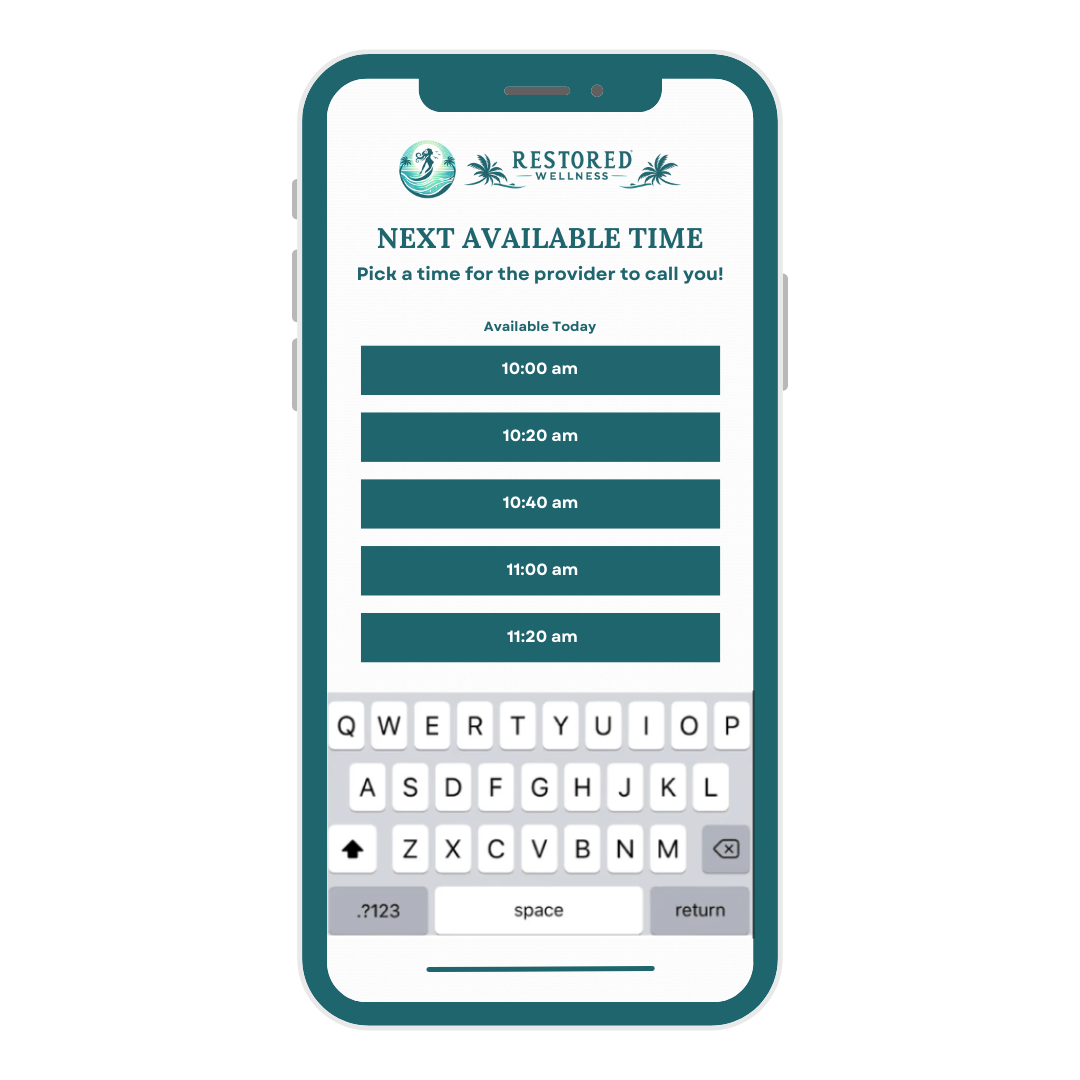
Intake Form
Complete a quick online Intake Form
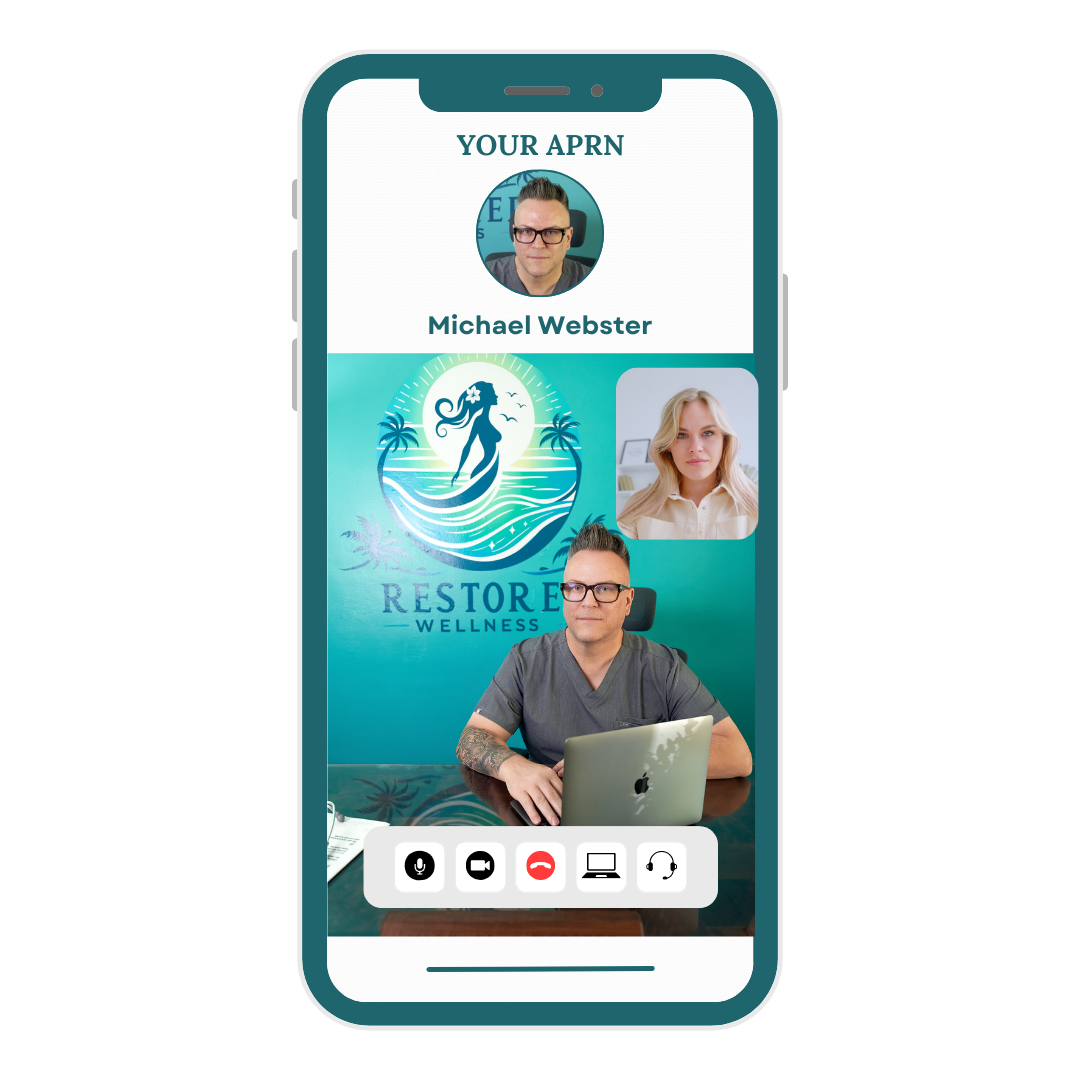
Provider Review
Price is all-inclusive:
Medication included
Free Consultation
No more in-office visits
No Face to Face/Video visit required!
Answers to questions and ongoing care, 100% online
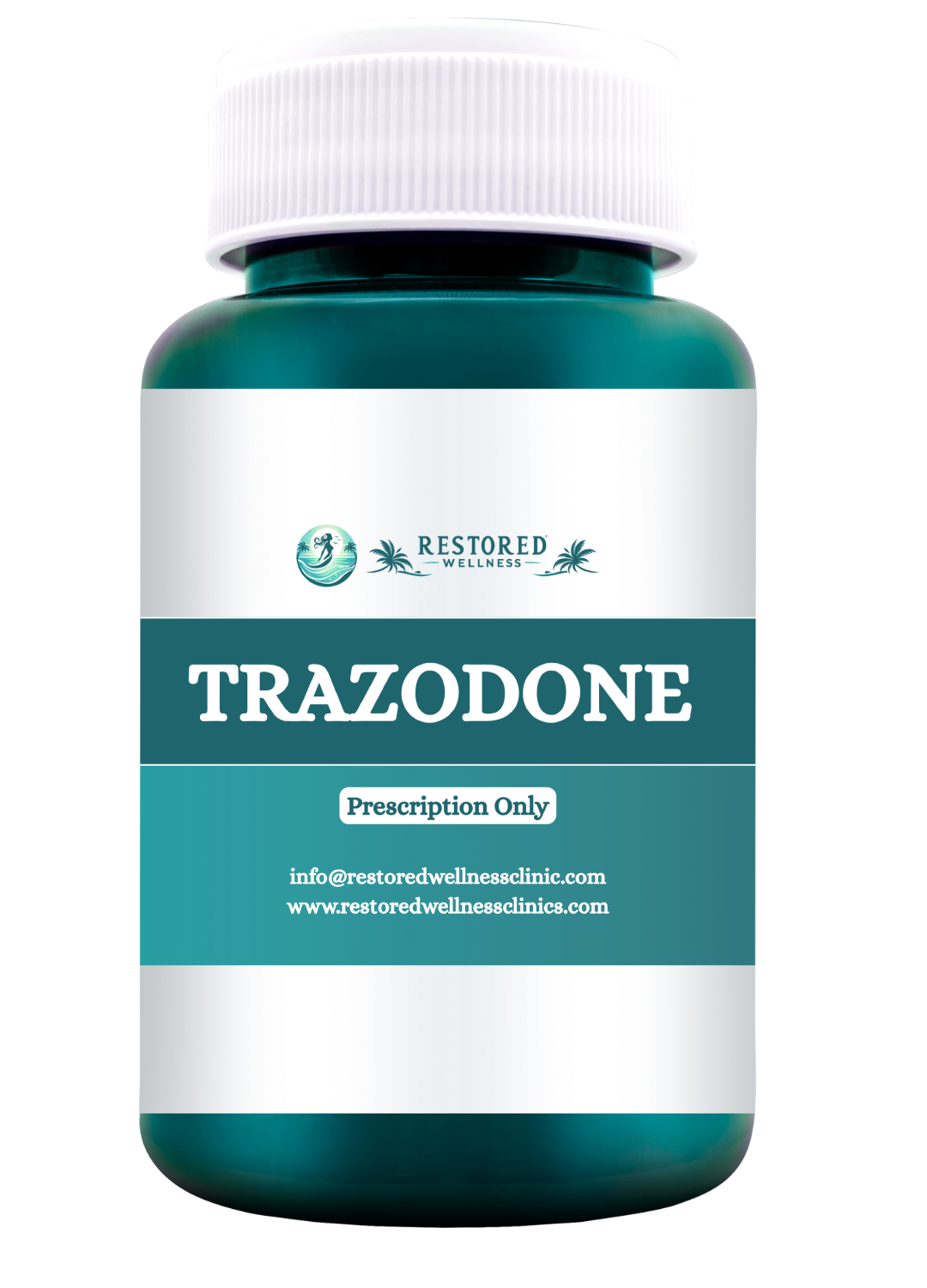
Medication
Provider will prescribe your preferred medication if medically appropriate
Free Shipping
Discreet packaging
*Prescription treatment requires an online consultation with a medical provider to determine if a prescription is appropriate. Actual product packaging may appear differently than shown


Sleep FAQ's
Please reach us at [email protected] if you cannot find an answer to your question.
Insomnia is a common sleep disorder characterized by difficulty falling asleep, staying asleep, or waking up too early and being unable to go back to sleep. This results in poor-quality sleep that can lead to daytime fatigue, difficulty concentrating, and other issues affecting daily life.
Stress and Anxiety:
- Work, school, finances, or personal relationships.
- Worry about sleep itself (known as psychophysiological insomnia).
- Medical Conditions:
- Chronic pain, arthritis, asthma, heartburn, or other illnesses.
- Sleep apnea or restless legs syndrome.
- Mental Health Disorders:
- Depression, anxiety disorders, or post-traumatic stress disorder (PTSD).
- Lifestyle Factors:
- Irregular sleep schedules or shift work.
- Excessive screen time before bed (blue light exposure).
- Consuming caffeine, nicotine, or alcohol close to bedtime.
- Environmental Factors:
- Noise, light, or an uncomfortable sleep environment.
- Medications:
- Certain drugs for blood pressure, asthma, or mental health conditions can interfere with sleep.
- Hormonal Changes:
- Menopause, pregnancy, or menstrual cycles.
- Poor Sleep Hygiene:
- Inconsistent bedtimes, napping too much, or using the bed for activities other than sleep.
A healthcare provider may diagnose insomnia through:
- Medical History: Questions about sleep habits, mental health, and lifestyle.
- Sleep Diary: Keeping track of sleep patterns and symptoms for 1–2 weeks.
- Polysomnography (Sleep Study): Conducted in a sleep clinic if other sleep disorders, like apnea, are suspected.
- Actigraphy: Using a wearable device to monitor sleep-wake patterns.
- Difficulty falling asleep despite feeling tired.
- Frequent nighttime awakenings.
- Waking up too early and not feeling refreshed.
- Daytime fatigue or sleepiness.
- Irritability, mood disturbances, or anxiety.
- Difficulty concentrating or impaired memory.
- Worry about sleeping or fear of going to bed.
- Prescription Sleep Aids: E.g., Zolpidem (Ambien), Eszopiclone (Lunesta), Desyrel (Trazodone).
- Over-the-Counter Options: Antihistamines or melatonin.
Lifestyle Changes and Sleep Hygiene:
- Maintain a consistent sleep schedule (go to bed and wake up at the same time daily).
- Create a comfortable sleep environment (dark, quiet, and cool room).
- Limit caffeine, nicotine, and alcohol intake, especially in the evening.
- Avoid heavy meals close to bedtime.
- Limit screen time before bed and consider blue light-blocking glasses or filters.
Relaxation Techniques:
- Meditation, deep breathing, or progressive muscle relaxation to reduce stress.
- Visualization: Imagining calm, peaceful scenes to encourage sleep.
Alternative Therapies:
- Acupuncture: May help improve sleep in some cases.
- Herbal Supplements: Valerian root or chamomile (consult a doctor before use).